© TMBW, Foto: Achim Mende
Rauhnächte in Baden-Württemberg
Discover Germany's Mystical Winter Traditions and Customs
25.11.20268 min. read timeby Hirsch & Greif
When the days are at their shortest, age-old customs come to life in Baden-Württemberg. Experience the mystical Twelve Nights, fascinating legends and special traditions between Christmas and Epiphany.
The Twelve Nights and Winter Customs in Baden-Württemberg
From the Wild Hunt to Epiphany Carol Singing, Age-Old Customs Live On
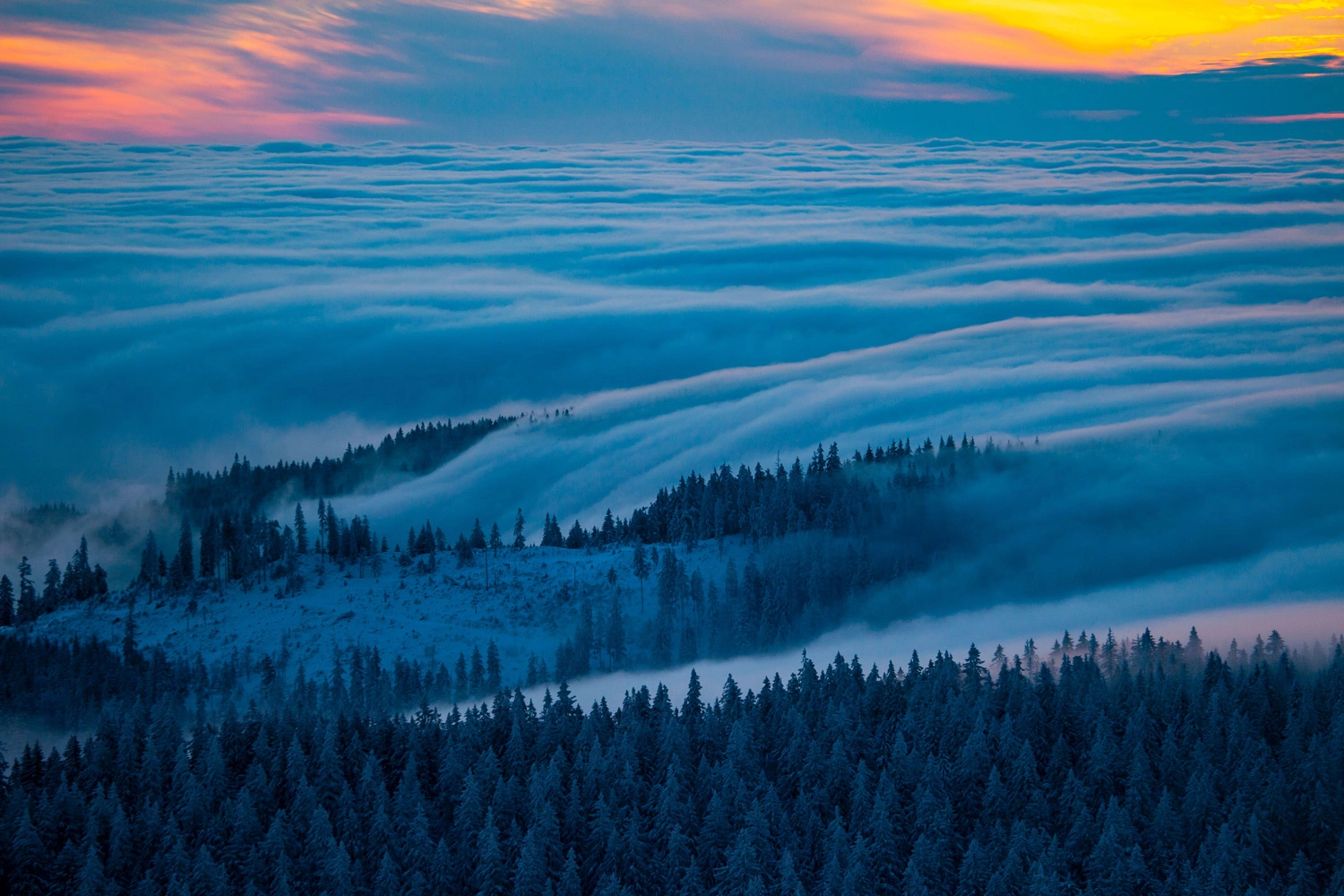
Candlelight, incense and age-old tales define the Twelve Nights in Baden-Württemberg. For centuries, the twelve nights between Christmas and Epiphany have been regarded as a special time steeped in myths, customs and traditions. From the Wild Hunt and the New Year’s Eve dice game known as Silvesterpaschen to Epiphany carol singing, numerous rituals have survived in Baden-Württemberg and continue to accompany the turn of the year. Visitors during this period can discover living traditions, fascinating legends and winter experiences with a distinctive regional character.
© TMBW, Foto: Achim Mende
Nights Filled with Age-Old Tales
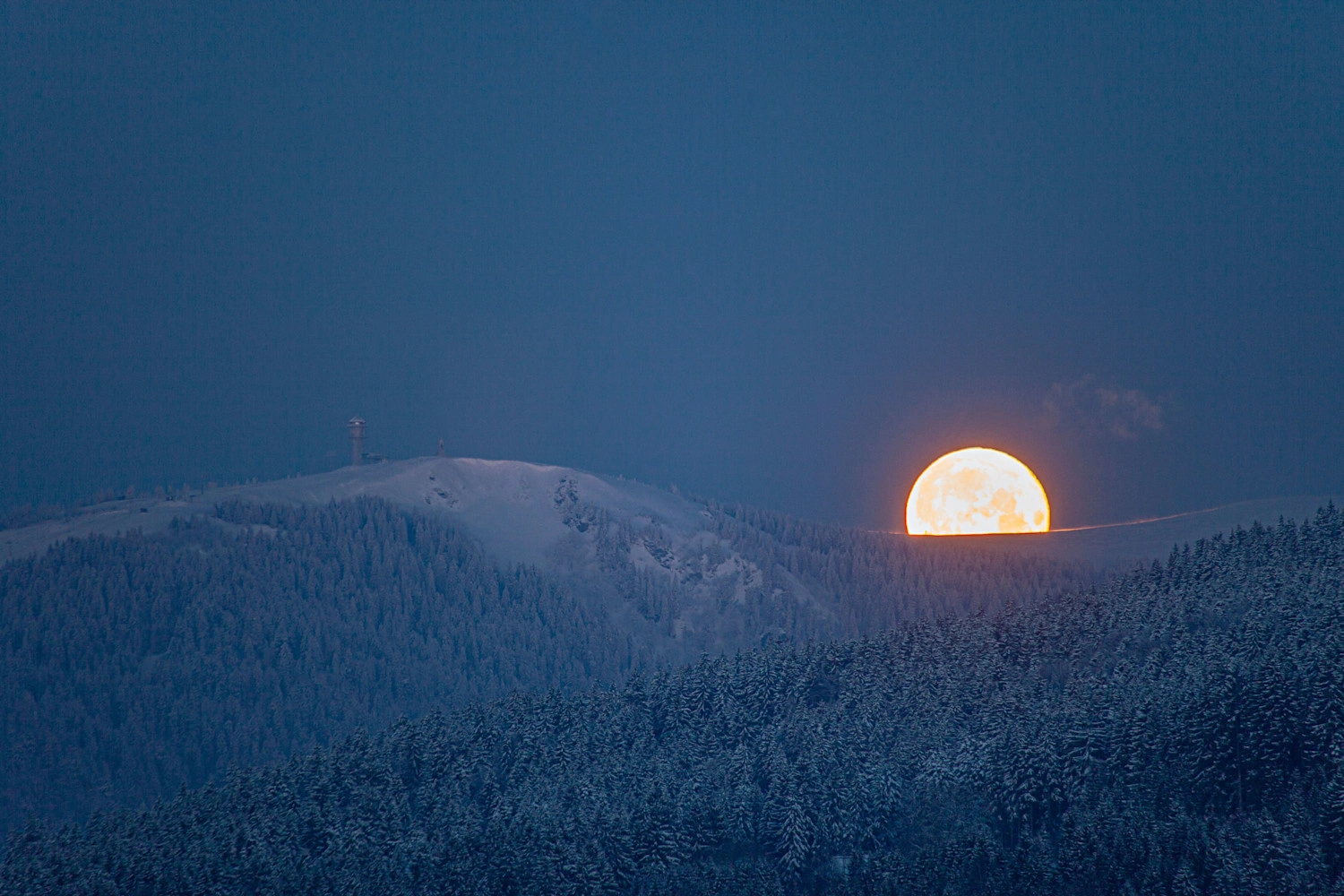
The Twelve Nights in Baden-Württemberg: the days between Christmas and New Year are full of magic.
What Are the Twelve Nights?
Twelve Mysterious Nights Filled with Tales and Traditions
The Twelve Nights are the twelve mysterious nights between Christmas and Epiphany, associated with special customs and tales for centuries. Traditionally, the period from 25 December to 6 January was regarded as a time of transition between the old year and the new. In many regions, people believed that during these nights, the boundaries between the everyday world and the realm of legend and myth became less distinct. This folklore gave rise to numerous traditions, from burning incense to cleanse homes and farmsteads to tales of the Wild Hunt. The Twelve Nights are observed in many parts of Central Europe. In Baden-Württemberg, however, numerous distinctive local customs and traditions have survived and continue to shape New Year celebrations today.
The Wild Hunt and Its Legends
When Spirits and Myths Roam the Winter Nights
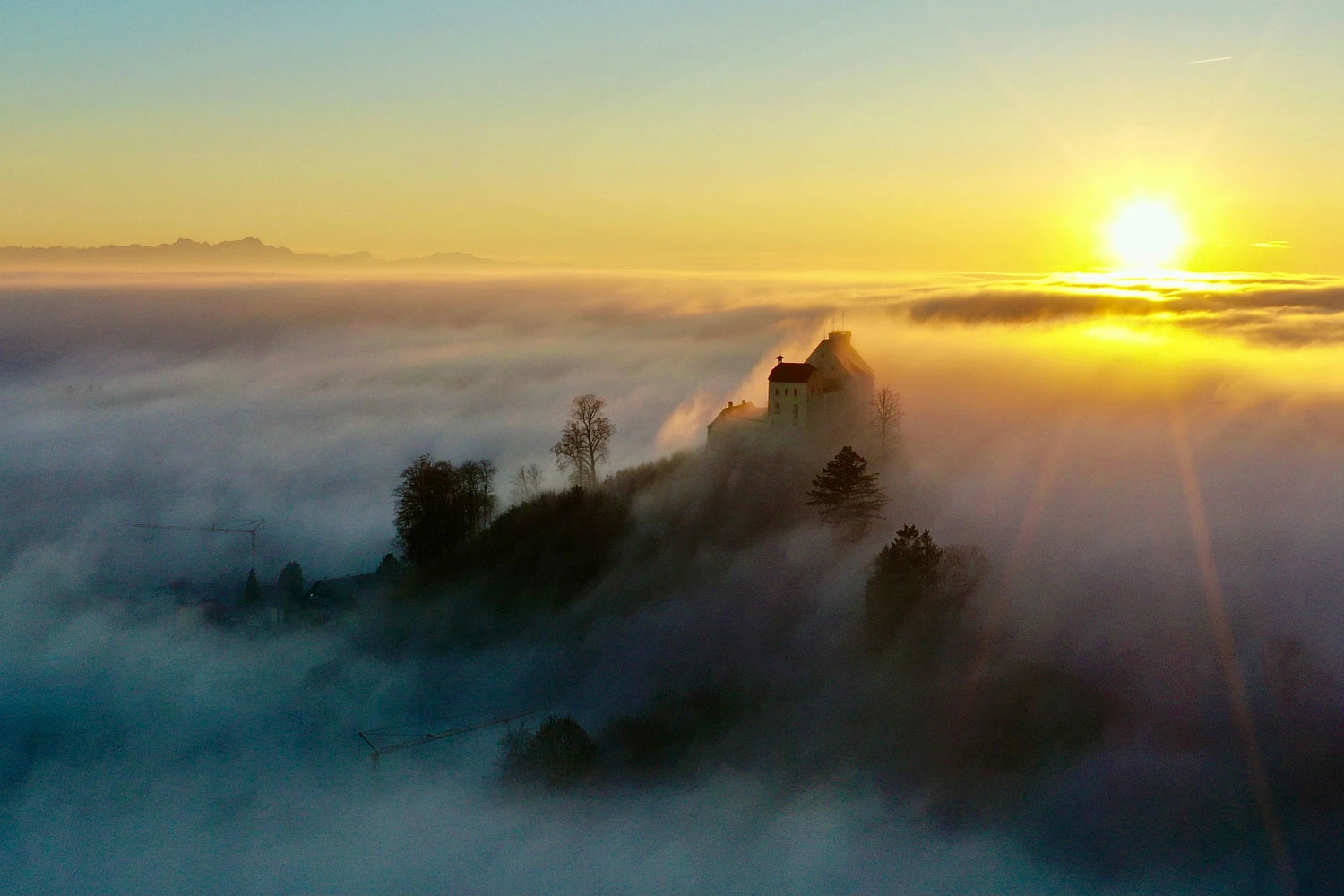
The Wild Hunt is one of the best-known myths associated with the Twelve Nights. According to folklore, the twelve nights between Christmas and Epiphany – known in some places as the “Holy Nights” – were considered a special time marking the transition from the old year to the new. Many people believed that the boundary between the everyday world and the realm of myths and legends became less distinct, allowing the Wild Hunt to sweep across the night sky.Baden-Württemberg offers some special ways to delve into these tales. At the medieval winter market at Waldburg Castle, travelling performers, legendary figures and Krampus create a mysterious atmosphere. A more tranquil experience awaits on a Twelve Nights walk in Bad Herrenalb, where stories and incense rituals evoke the distinctive atmosphere of the season. Myths and fascinating facts about the “Holy Nights” also take centre stage during an evening guided tour of the Hohenstaufen
© Max Haller
In the Realm of the Wild Hunt
Mists and winter light lend Waldburg Castle a mysterious atmosphere during the Twelve Nights.
New Year’s Eve Weigh-In in Nürtingen
When Humour and Tradition Welcome the New Year Together
The New Year’s Eve weigh-in is one of Baden-Württemberg’s most unusual New Year traditions. Since 1832, public officials and dignitaries in Nürtingen have been weighed in public at the turn of the year. What began with a historic sack scale has since become a popular tradition. Today, celebrities also step onto the scales at a charity breakfast featuring traditional Bavarian veal sausages in the town hall. The results are announced with plenty of humour, along with tongue-in-cheek explanations for any weight gained or lost. Finally, an average is calculated for everyone taking part, offering a light-hearted assessment of the year gone by.

© Schwarzwald Tourismus Kinzigtal, Foto: HS-Foto
Welcoming the New Year with a Wink
Since 1832, Nürtingen’s New Year’s Eve weigh-in has brought together tradition, community spirit and a generous dose of humour.
Silvesterpaschen: Rolling the Dice for New Year’s Luck
When Pub-Goers Roll the Dice for Pretzels, Ham and Sausages
The New Year’s Eve weigh-in is one of Baden-Württemberg’s most unusual New Year traditions. Since 1832, public officials and dignitaries in Nürtingen have been weighed in public at the turn of the year. What began with a historic sack scale has since become a popular tradition. Today, celebrities also step onto the scales at a charity breakfast featuring traditional Bavarian veal sausages in the town hall. The results are announced with plenty of humour, along with tongue-in-cheek explanations for any weight gained or lost. Finally, an average is calculated for everyone taking part, offering a light-hearted assessment of the year gone by.
Westhausen New Year’s Eve Ride
When More Than 200 Riders Ring in the New Year in the Ostalb Region
The Westhausen New Year’s Eve Ride is one of Baden-Württemberg’s most impressive New Year traditions. Its origins date back to the early 17th century. When a livestock epidemic swept through the region, local farmers vowed to build a chapel dedicated to St Sylvester if their animals were spared. After the epidemic ended in 1626, they kept their promise. This gave rise to the tradition of presenting an offering of produce to the patron saint on his feast day. To this day, more than 200 riders make their way to St Sylvester’s Chapel to receive a blessing for people and animals. Every year, thousands of spectators gather in the Ostalb region to watch the ceremonial procession.
Kirchheim New Year’s Eve Run to Teck Castle
18 Kilometres, 464 Metres of Ascent and an Active End to the Year
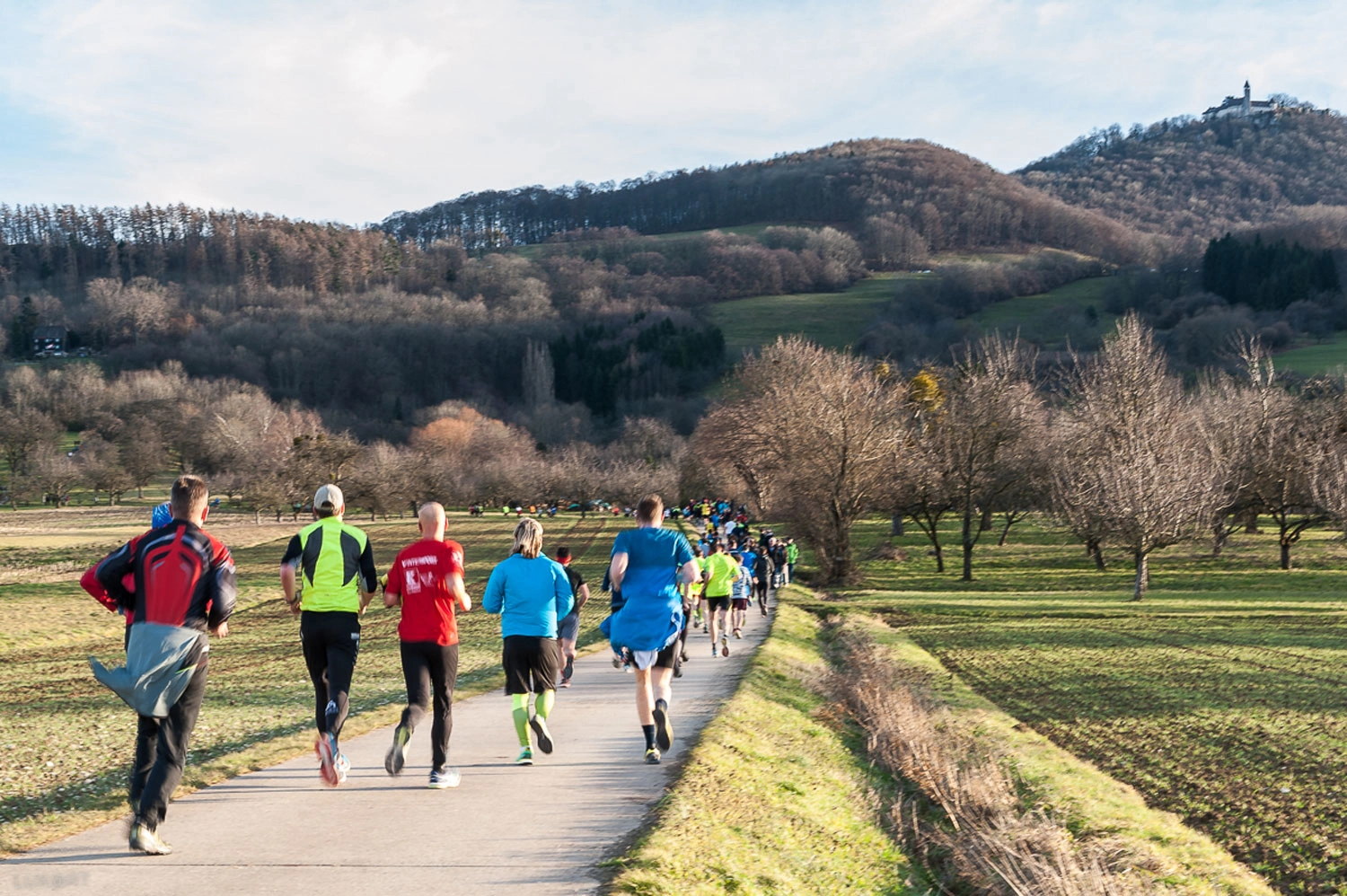
The Kirchheim New Year’s Eve Run is one of Baden-Württemberg’s most active traditions for marking the turn of the year. Since 1981, the approximately 18-kilometre route has led from Kirchheim Town Hall up to Teck Castle in the Swabian Alb, with 464 metres of ascent along the way. Organised by the Lauftreff Kirchheim running club, the event attracts hundreds of runners every year, many in creative costumes. Spectators and mulled-wine stalls create a special atmosphere along the route. For anyone wishing to end the year on an active note, the run offers a sporting yet sociable alternative to traditional New Year’s Eve customs.
© Ralph Trost
Run into the New Year
Since 1981, the Kirchheim New Year’s Eve Run has led from the town hall to Teck Castle in the Swabian Alb.
The New Year’s Pretzel in Baden-Württemberg
Good-Luck Treats Full of Flavour
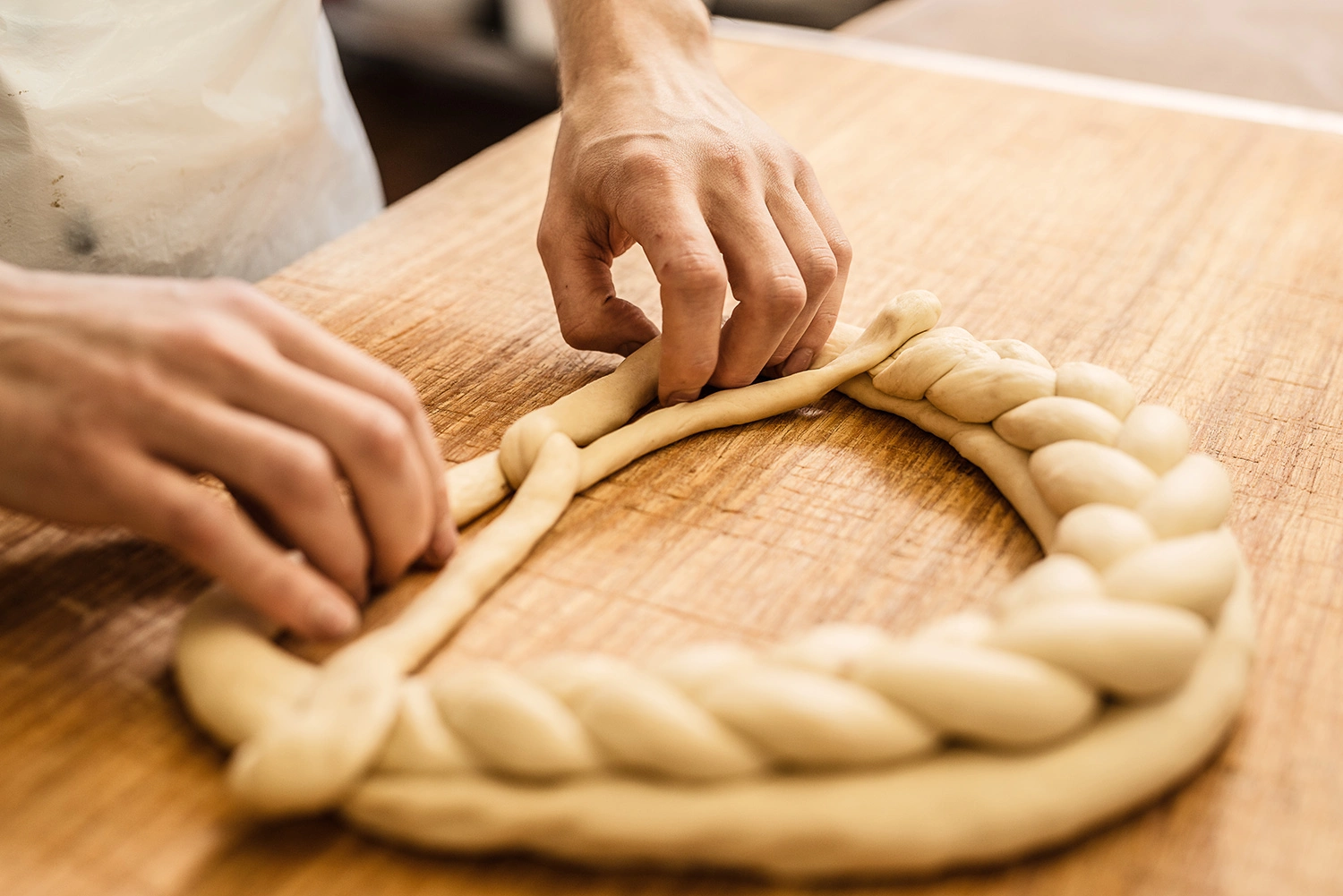
A taste of good luck for breakfast: for many people in Baden-Württemberg, the New Year’s pretzel is an essential part of the celebrations. This sweet good-luck treat is served on New Year’s morning, sometimes plain and sometimes elaborately decorated with plaited or cut patterns. Particularly large versions can measure up to a metre and weigh several kilos, turning this traditional bake into a treat to share.Ketsch near Mannheim has another sweet New Year tradition. Children receive a Zuckerschachtel – a box filled with sweets – from their godmother in return for reciting a New Year greeting in the local dialect. Whether shared over breakfast or presented alongside a spoken good-luck wish, these regional traditions combine hopes for the year ahead with sweet gifts.
© TMBW, Foto: Spitzbarth
Good Luck, Plaited by Hand
For many people in Baden-Württemberg, this intricately decorated bake is an essential part of New Year celebrations.
Epiphany Carol Singing in Haslach im Kinzigtal
When Age-Old Songs Echo Through the Lanes
From 1 to 6 January, traditional Christmas, shepherds’ and Epiphany songs ring out in Haslach im Kinzigtal. The Epiphany singers make their way through this small Black Forest town, performing the traditional songs in harmony. They are accompanied by lantern bearers and the so-called Sterndriller, who spin large stars. Haslach’s Epiphany carol singing is one of Baden-Württemberg’s oldest Epiphany customs. The songs are thought to have originated in the Alpine region: according to tradition, innkeeper Xaver Thoma brought them to Haslach in the 19th century. Anyone wishing to experience a living Black Forest tradition at the end of the Twelve Nights can discover a truly special musical custom here.
Fasnet Season Begins on Epiphany in Baden-Württemberg
Dust Off, Bells Out: Fasnet Is on Its Way!
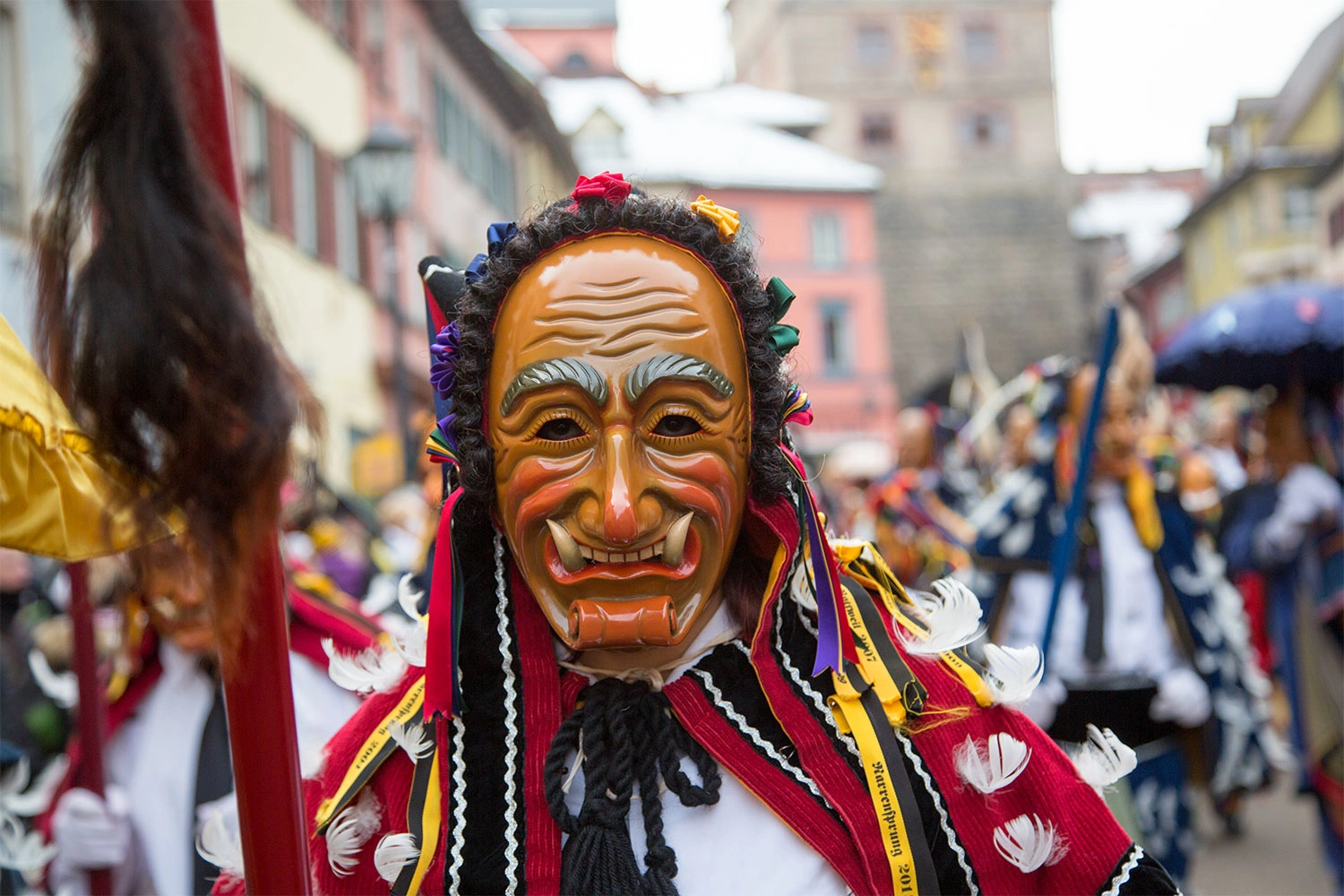
In many parts of Baden-Württemberg, the Swabian-Alemannic Fasnet carnival begins on 6 January. On Epiphany, the traditional Abstauben ceremony symbolically brushes the dust of the past year from the Narrenhäs – the traditional carnival costume – and the Larve, or carved wooden mask. New guild members are also welcomed during the ceremony.The start of the carnival season varies from place to place. Bells may ring, whips may crack or an announcer may proclaim the beginning of Fasnet, often immediately after the Epiphany church service. In some communities, small processions or bonfires are also part of the celebrations. Marking the end of the Twelve Nights, Epiphany thus also signals the beginning of the carnival season.
© TMBW, Foto: Achim Mende
Fasnet Takes Over!
In many parts of Baden-Württemberg, the start of the Swabian-Alemannic Fasnet carnival is celebrated on 6 January.