© TMBW, Foto: Udo Bernhart
Campus Galli Meßkirch: Experience the Middle Ages Up Close
Where the Ninth Century Comes to Life Every Day
16.7.20265 min. read timeby Hirsch & Greif
At Campus Galli near Meßkirch, a monastery is taking shape based on a ninth-century monastic plan. Visitors can lend a hand if they wish.
How Campus Galli Brings History to Life
Welcome to Another Era
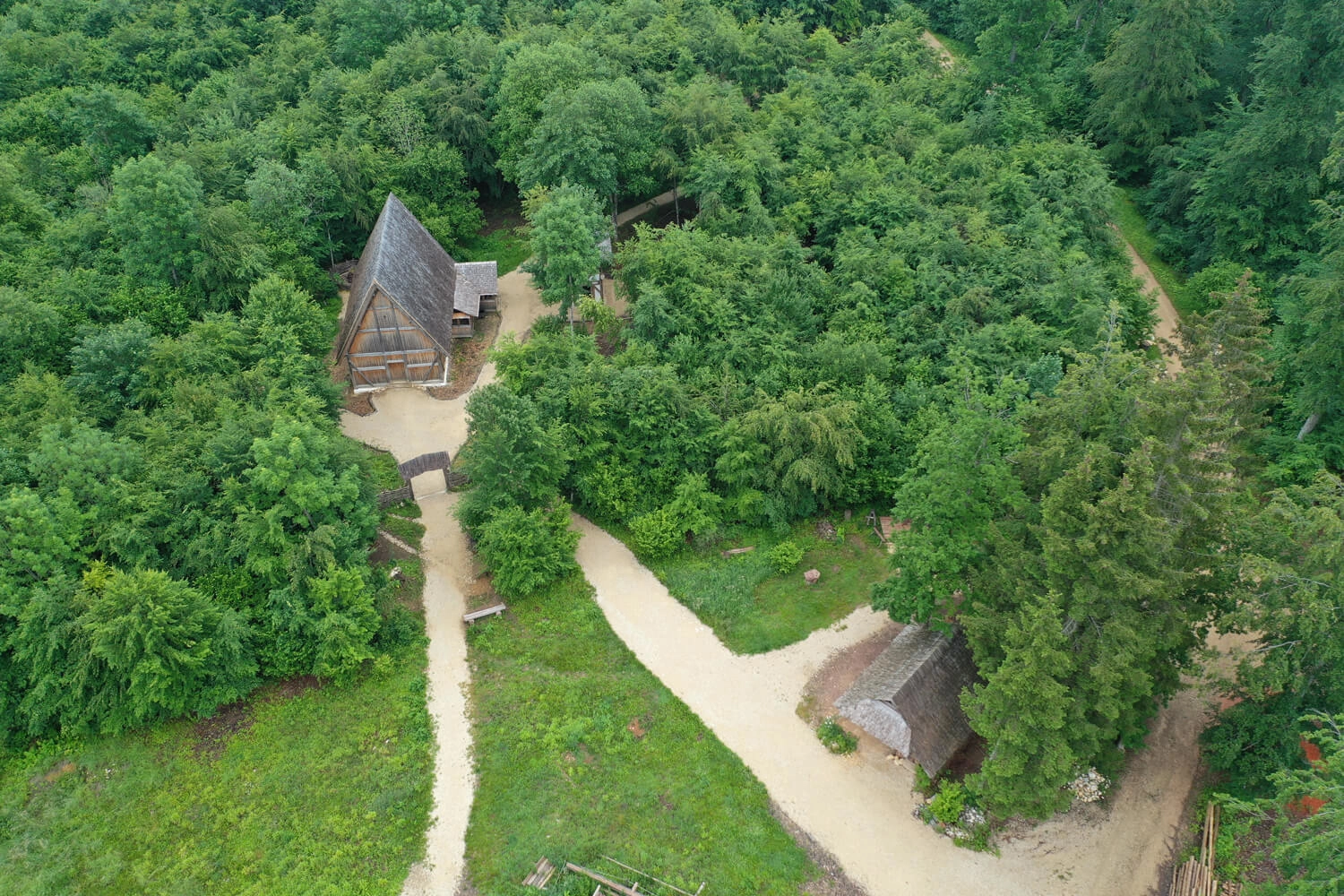
Just before entering the Middle Ages, there is a small kiosk on the left selling water, snacks and ice cream. A chalkboard announces: ‘Last coffee before the Middle Ages.’ It takes us a few seconds to realise that this is no joke. Coffee beans have only been known in Germany since the 16th century. From the perspective of Campus Galli, that already counts as the modern era.The coffee can wait. We are simply too excited. For one day, we are time travellers. I cannot help thinking of Back to the Future, where a rather dubious-looking sports car, complete with flux capacitor, serves as a time machine. There is nothing like that here. After all, we are not in Hollywood, but in a forest near Meßkirch, between Upper Swabia and Lake Constance. And somewhere among the trees lies a hole in time. We are standing right in front of it – and step inside. To travel back in time, simply follow the signs along the wide forest path and into the Middle Ages. And sure enough: it works!
© TMBW, Foto: Udo Bernhart
A journey back in time hidden in the forest
Surrounded by dense greenery, a monastery modelled on a ninth-century design is gradually taking shape.
Building a Medieval Monastery near Meßkirch
A Construction Site Straight from 1,200 Years Ago
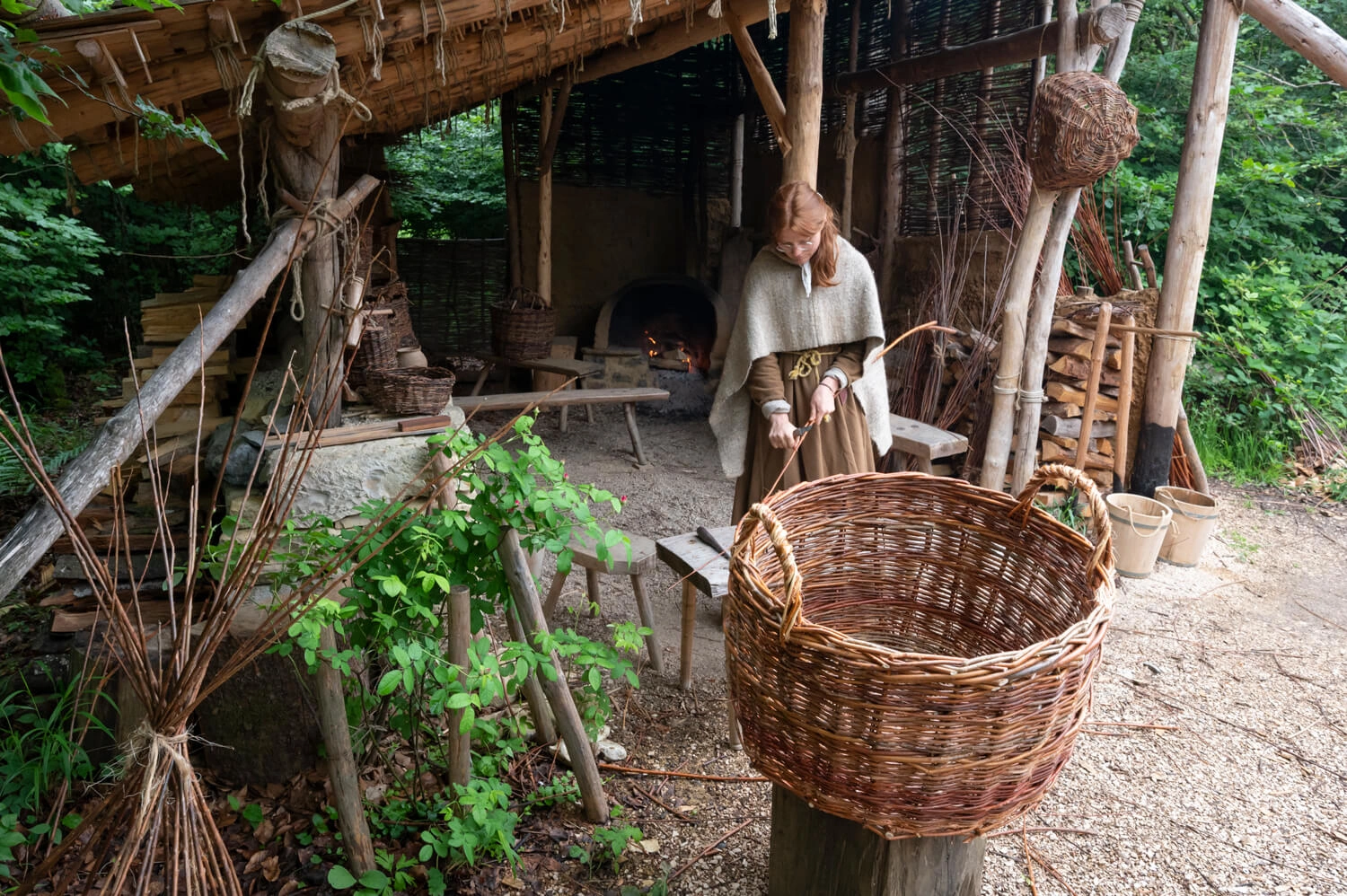
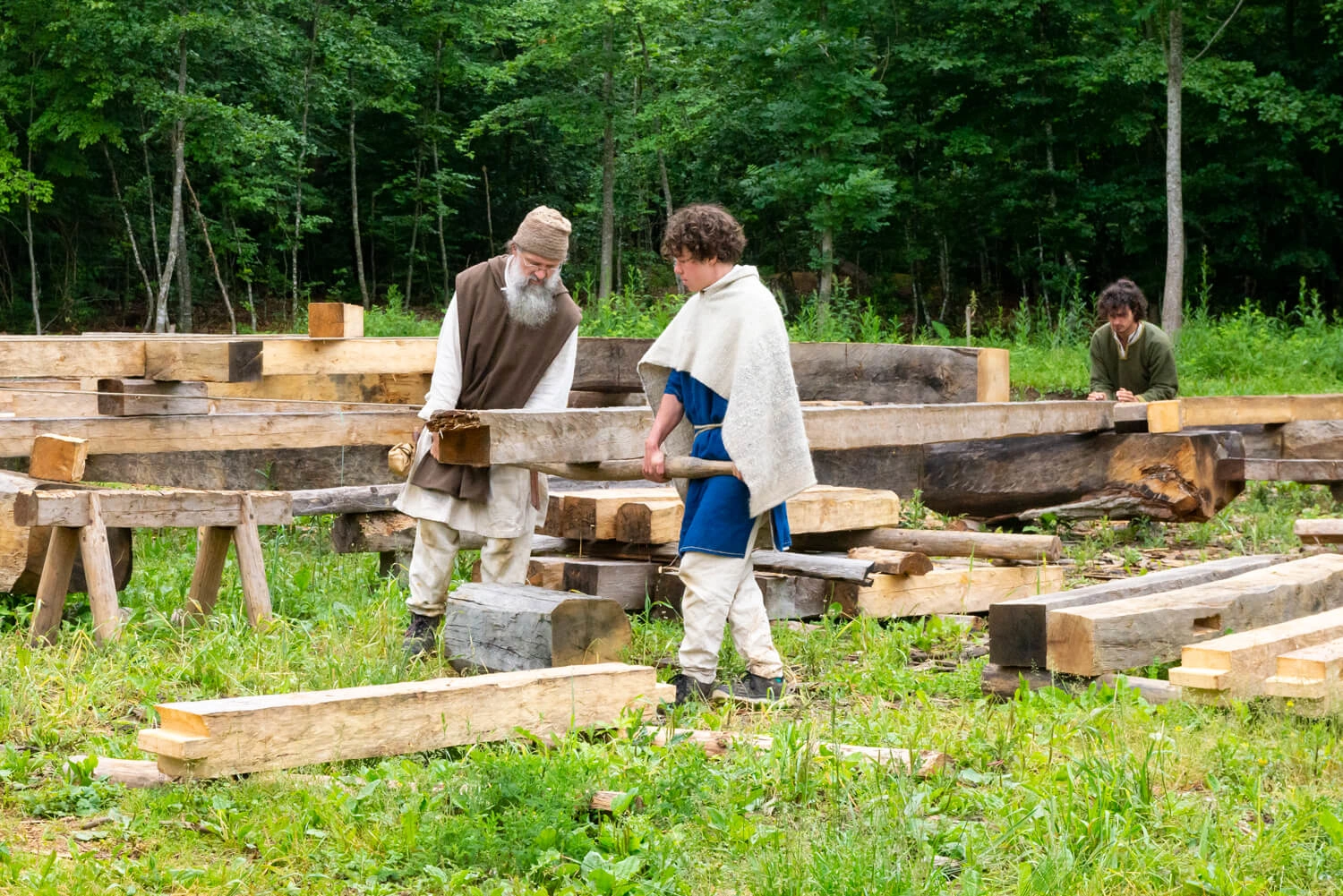
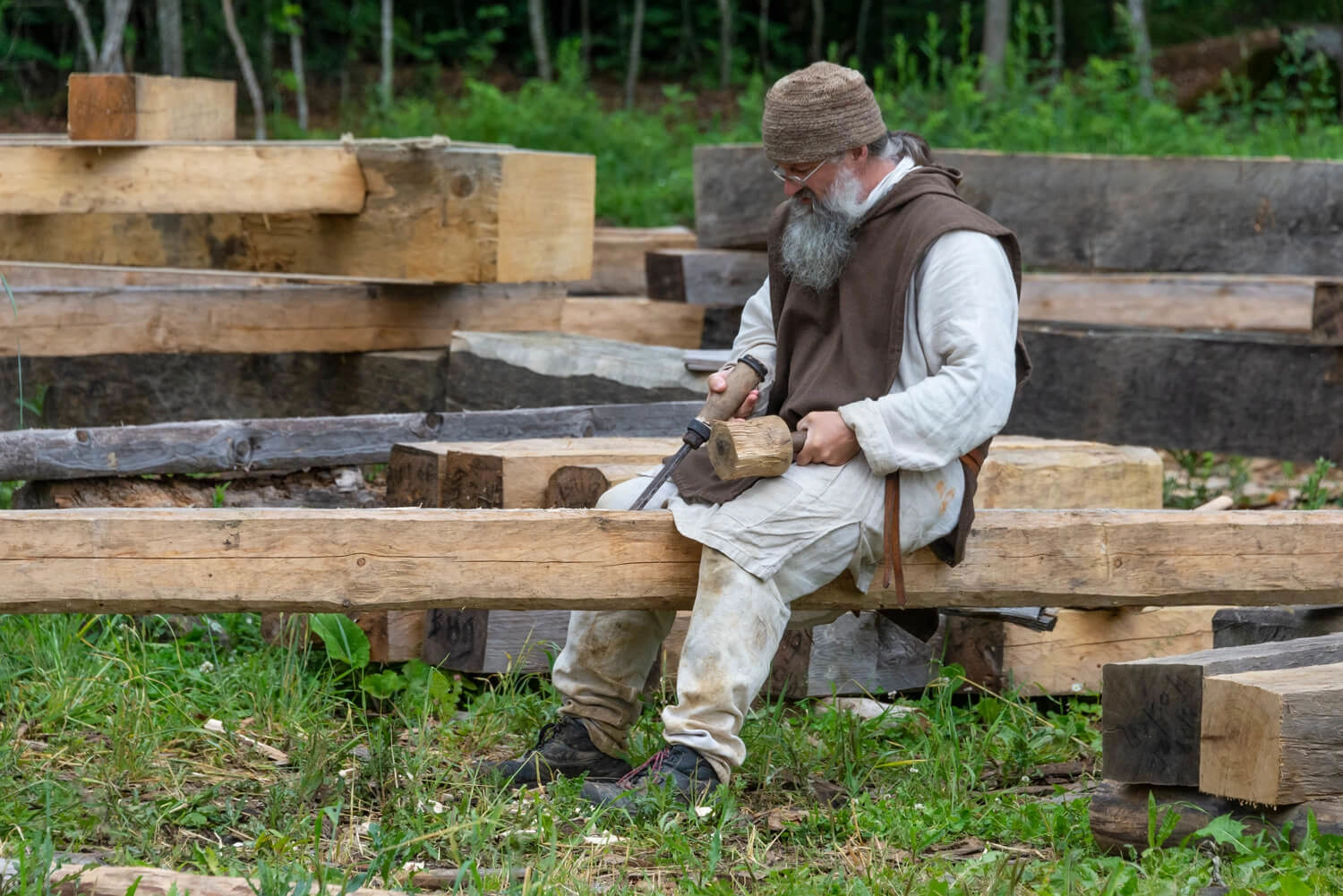
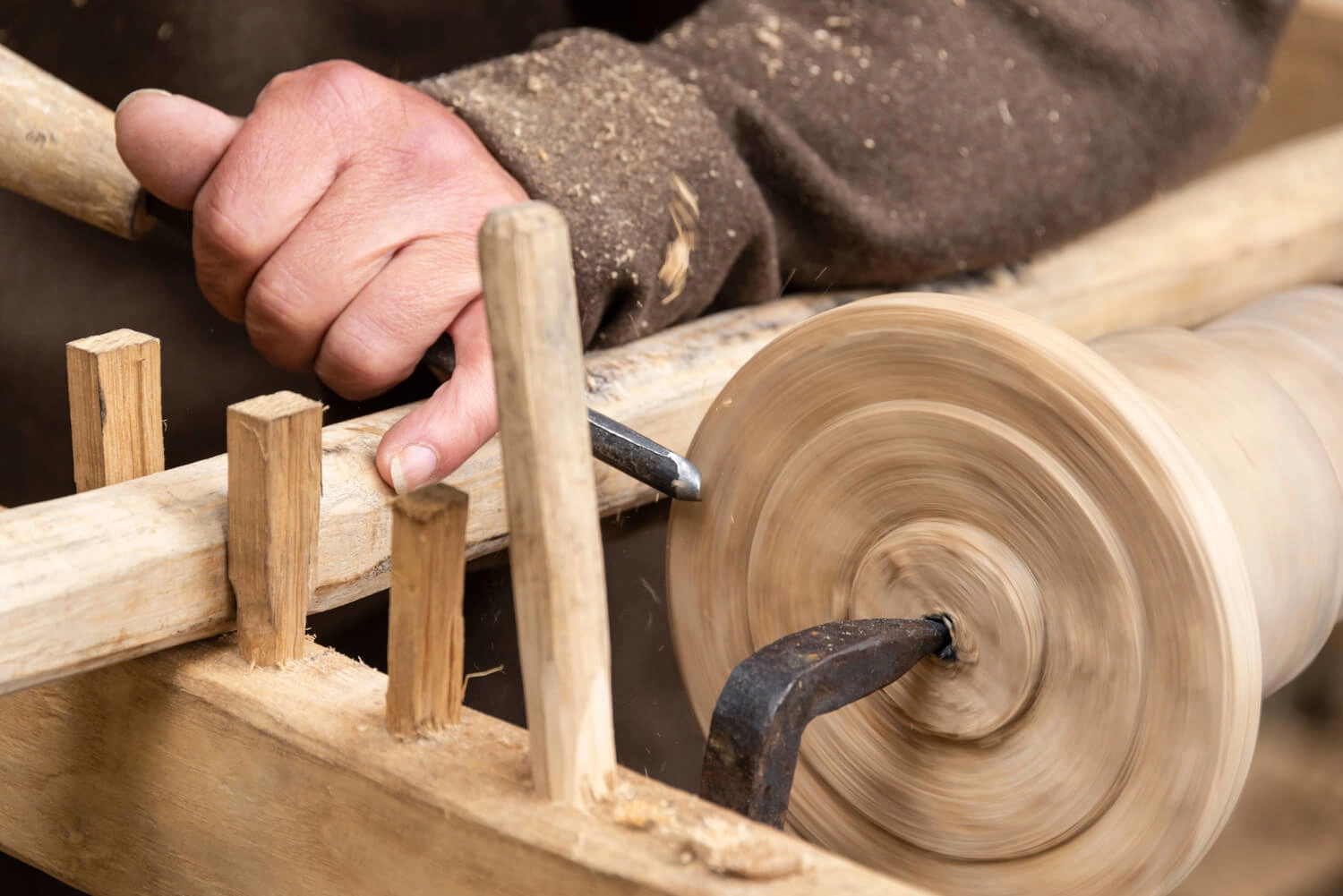
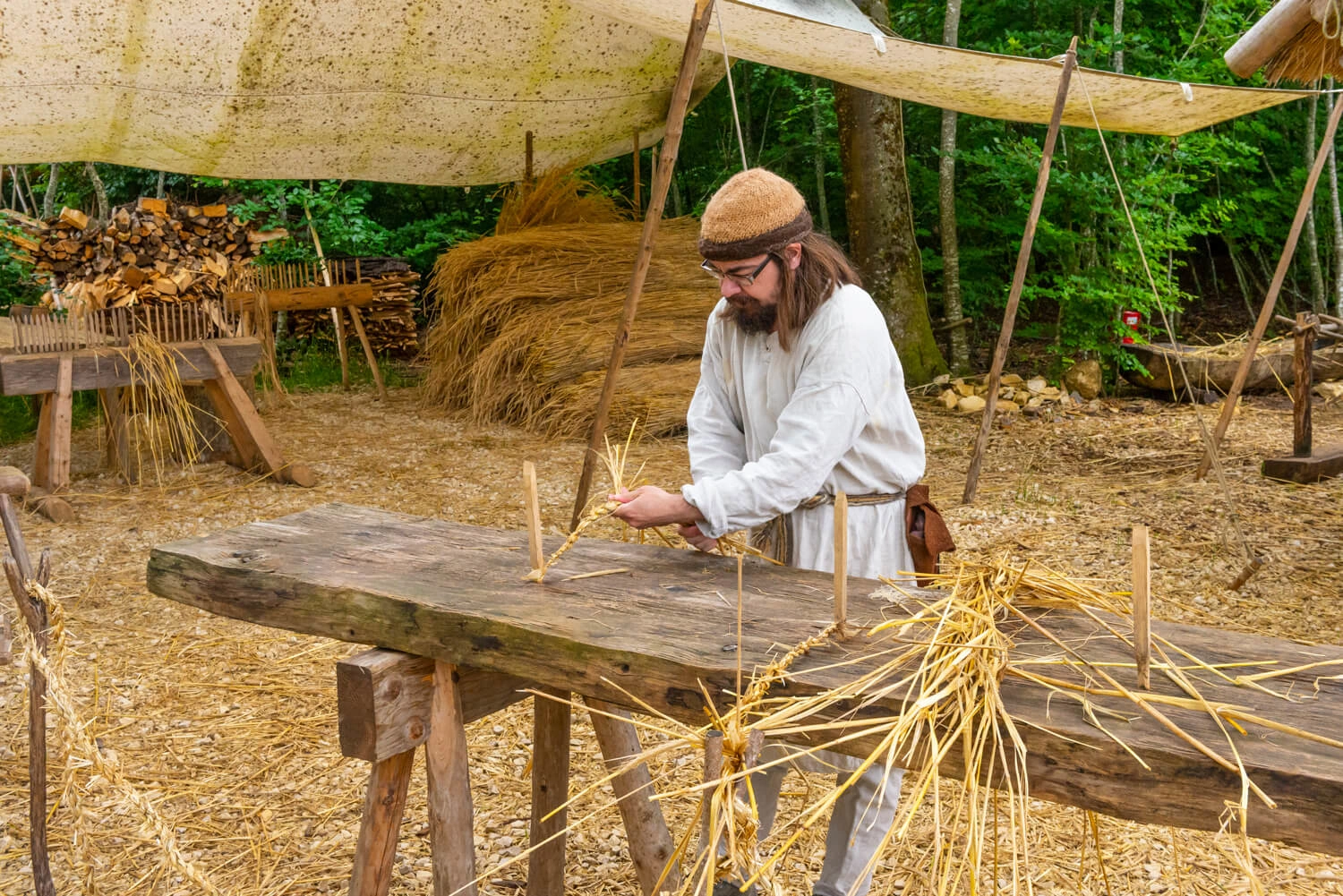
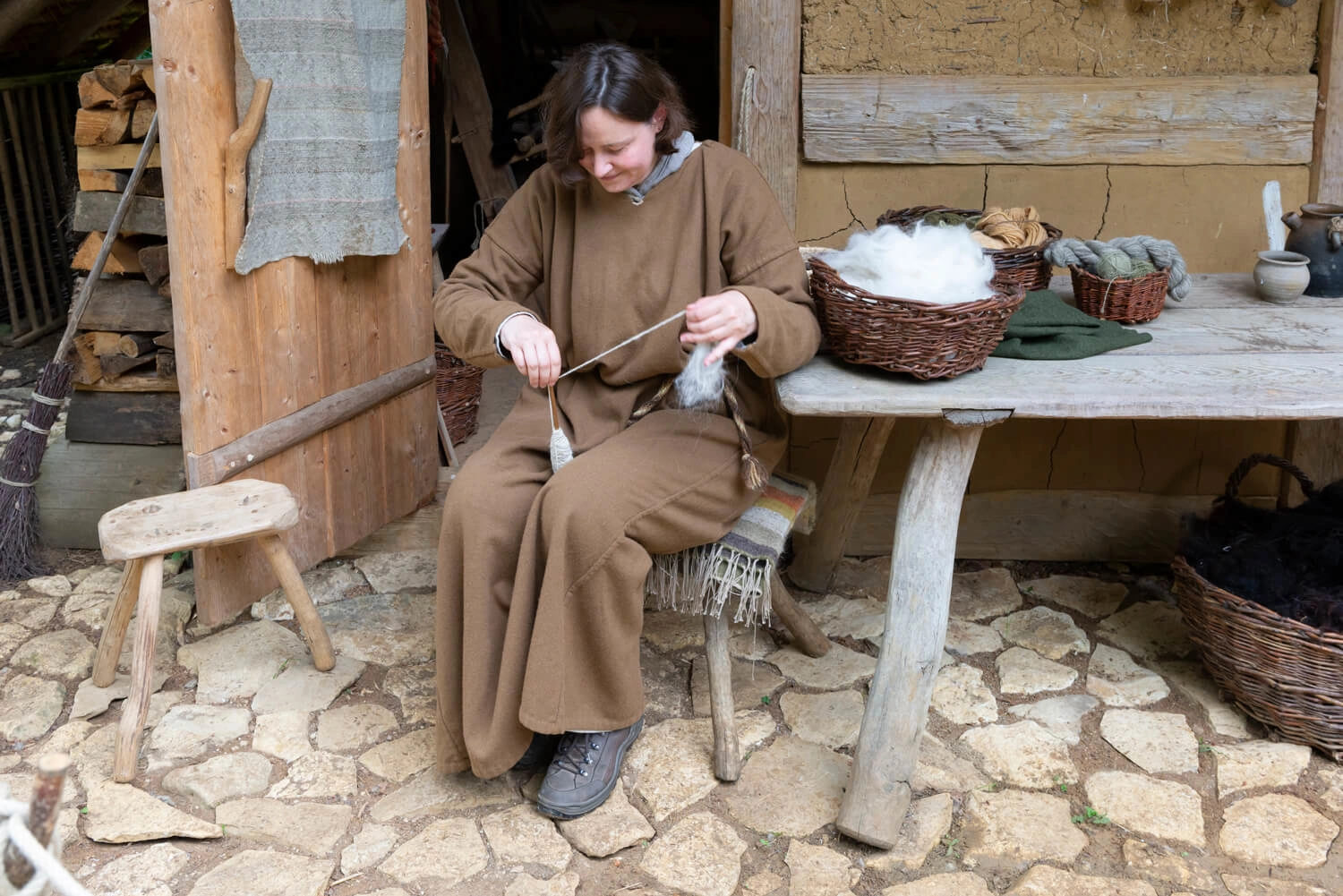
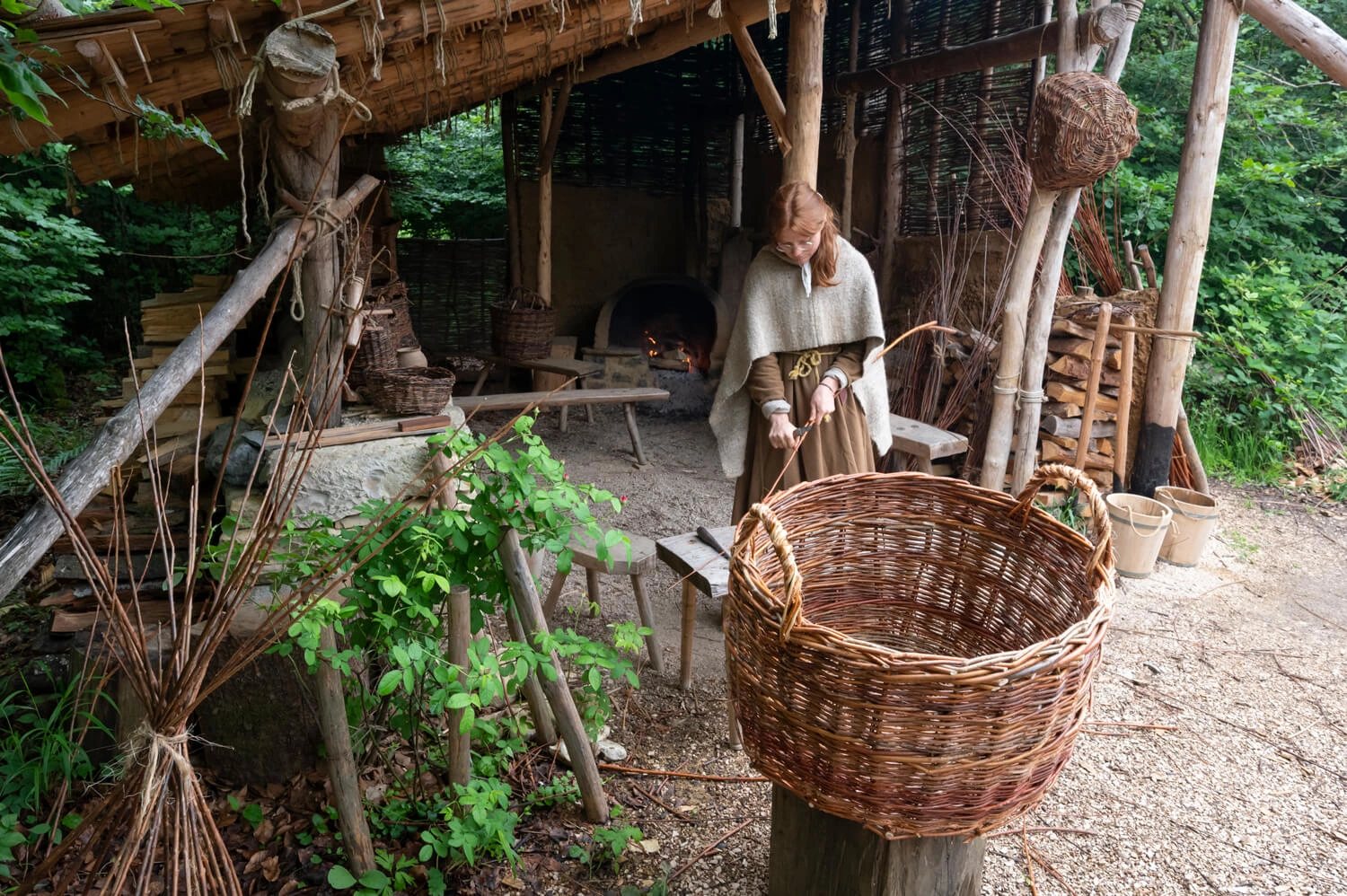
We are approaching Campus Galli. It is hard to believe, but true: an entire monastic settlement is being built here, using the same methods as in the early Middle Ages. That means plenty of wood – along with ninth-century tools and materials. Oxen haul tree trunks. Timber is worked with traditional axes. Iron is forged using hammer and anvil. Suddenly, I find myself thinking of Asterix and his Gaulish village. Perhaps it is the name: Campus Galli. It does sound rather Gaulish. But there are two major differences from the comic books. Firstly, the adventures of Asterix take place several centuries earlier. Secondly, this is not a village, but an entire town. Estimated construction time: around 40 years. It is thought that the younger members of the team may even live to see it completed.But first, let us address the obvious question: why build a monastic settlement today using ninth-century methods and plans? It is known as experimental archaeology. To understand exactly how people lived and built back then, an enormous experiment is under way. That experiment is Campus Galli – archaeology brought vividly to life. Naturally, the building plan itself also dates from the ninth century. It was drawn by monks living on Reichenau Island around AD 830. The large-scale Plan of St Gall takes its name from St Gallen, for which it was originally designed. Now, almost 1,200 years later, the plan is finally being put into practice – in a forest near Meßkirch in Upper Swabia.
© TMBW, Foto: Udo Bernhart
© TMBW, Foto: Udo Bernhart
© TMBW, Foto: Udo Bernhart
40 Years of Construction at Campus Galli
More Than a Construction Site: History as an Experiment
With construction expected to take at least 40 years, it soon becomes clear what this vast monastic building project is really about: the process of building rather than the finished result. It is hard to imagine a more fitting location. Baden-Württemberg is home to countless builders and architects. The local motto Schaffa, schaffa, Häusle bauen – (‘Work, work, build a little house’) – originated here. At Campus Galli, the origins of building are brought to life every day. Once winter is over, the construction season begins – year after year, until everything is complete. By comparison, Ulm Minster took 513 years to build.I am reminded of something my grandfather used to say: ‘There are three things everyone loves to watch: waterfalls, rainbows and other people at work.’ But visitors to this medieval construction site need not feel guilty. Quite the opposite: anyone who wants to watch the work in progress is warmly welcome. Every visit helps support the project. Guided tours and corporate seminars are also available. For a truly authentic experience, visitors can even book a horse-drawn carriage for their tour.
© TMBW, Foto: Udo Bernhart
© TMBW, Foto: Udo Bernhart
© TMBW, Foto: Udo Bernhart
A Tour of Campus Galli
Marvel, Discover and Have a Go
One of the undisputed highlights of any tour is the wooden church. It is already complete – apart from the bell tower. Nowhere else in the world can you find a wooden church built using ninth-century methods. But at Campus Galli, one has now been recreated. As the Plan of St Gall does not provide enough detail, the Campus Galli team took inspiration from early medieval stone churches. In this way, something that had remained unseen for centuries was made visible once more. The church as the heart of every town. A piece of the Middle Ages to marvel at and experience.Time flies. The craftspeople wear no watches. A strike on an enormous wooden gong announces the lunch break. We gather in the market square, where drinks and flammkuchen are served. Made to medieval recipes. Prepared just as they would have been in the past. We are right in the thick of it. The Middle Ages have become our new normal. Only the craftspeople spend a brief hour back in the present day, in a small break room provided for them. Rumour has it that there is even coffee inside. And they thoroughly deserve it. Back near the entrance, we have our first coffee – and return to the present day.
Campus Galli FAQs: Visitor Questions Answered
Good to Know Before Your Journey Back in Time